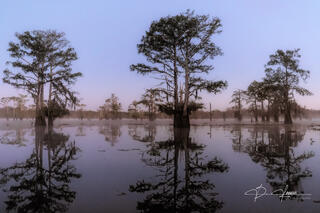
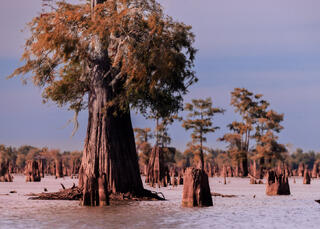
Springtime Return to the Atchafalaya
Lake Martin, Beaux Bridge, Louisiana
This is Part one on my spring trip down south to the Louisiana swamps, and Part two of this Louisiana series that I am happy to be continuing. I want people to know about this other natural world and know that we need to protect it at all cost.
I will be returning again in the fall. If you have any question and are interested in seeing this beautiful place, contact me and I will be happy to discuss it further with you.
When I left Louisiana in October 2024, after spending just two days there, I knew I’d be back in the spring, as I felt I needed to see more of this place and what it had to offer. Those still, reflective waters, the draping moss, and the quiet pulse of the bayou in autumn would bring me back in the spring, when the water levels would rise and the cypress and tupelo would green up, their lush canopies over the mirrored surface of the swamp.
In the months that followed, I stayed in touch with Ronnie, my guide from the region, eager to know when the seasons would shift and the hidden waterways, like Bayou Benoit, would open for a boat like his. I read articles to research the history and ecology of the area. I devoured photography blogs and historic accounts, trying to understand not just what the region is, but why it is—how it became this complex blend of wilderness, culture, and slow-moving time. What I found was that Louisiana is a winding trail of discovery and a place you don’t just visit—you uncover it, piece by piece.
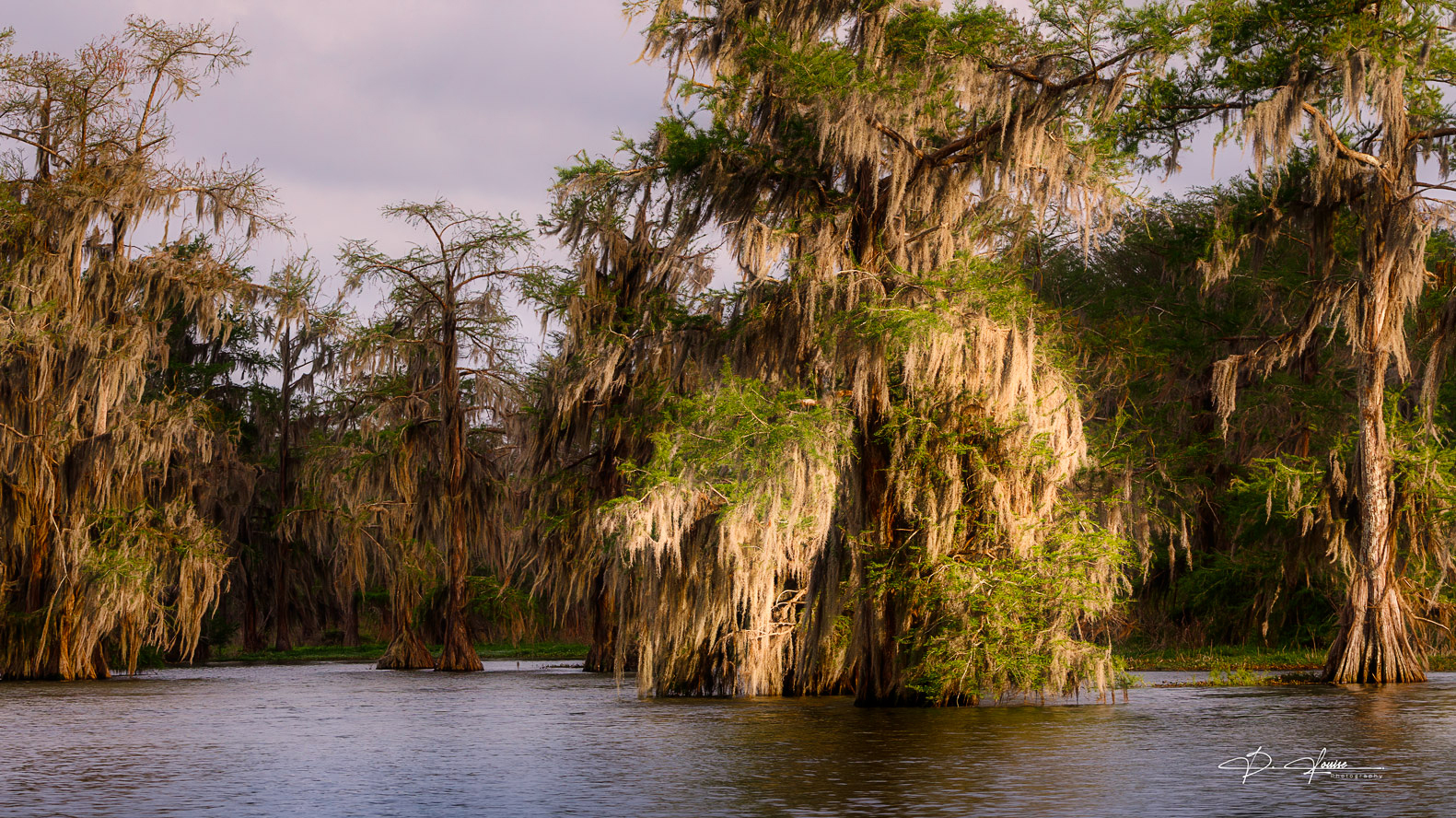
Photo © copyright by Darlene Sours.
Our first day out on the water was at Lake Martin, a 765-acre Nature Preserve just outside Breaux Bridge. It includes 200 acres of open water and is home to one of Louisiana’s largest rookeries. The day was warm, with lighting that was a bit flat—perfect for wildlife photography, though perhaps not ideal for a dramatic sunset. Still, I wasn’t chasing another perfect sunset. I’d been lucky to capture one last fall that would be hard to top. This trip was more about immersing myself in the bayou.
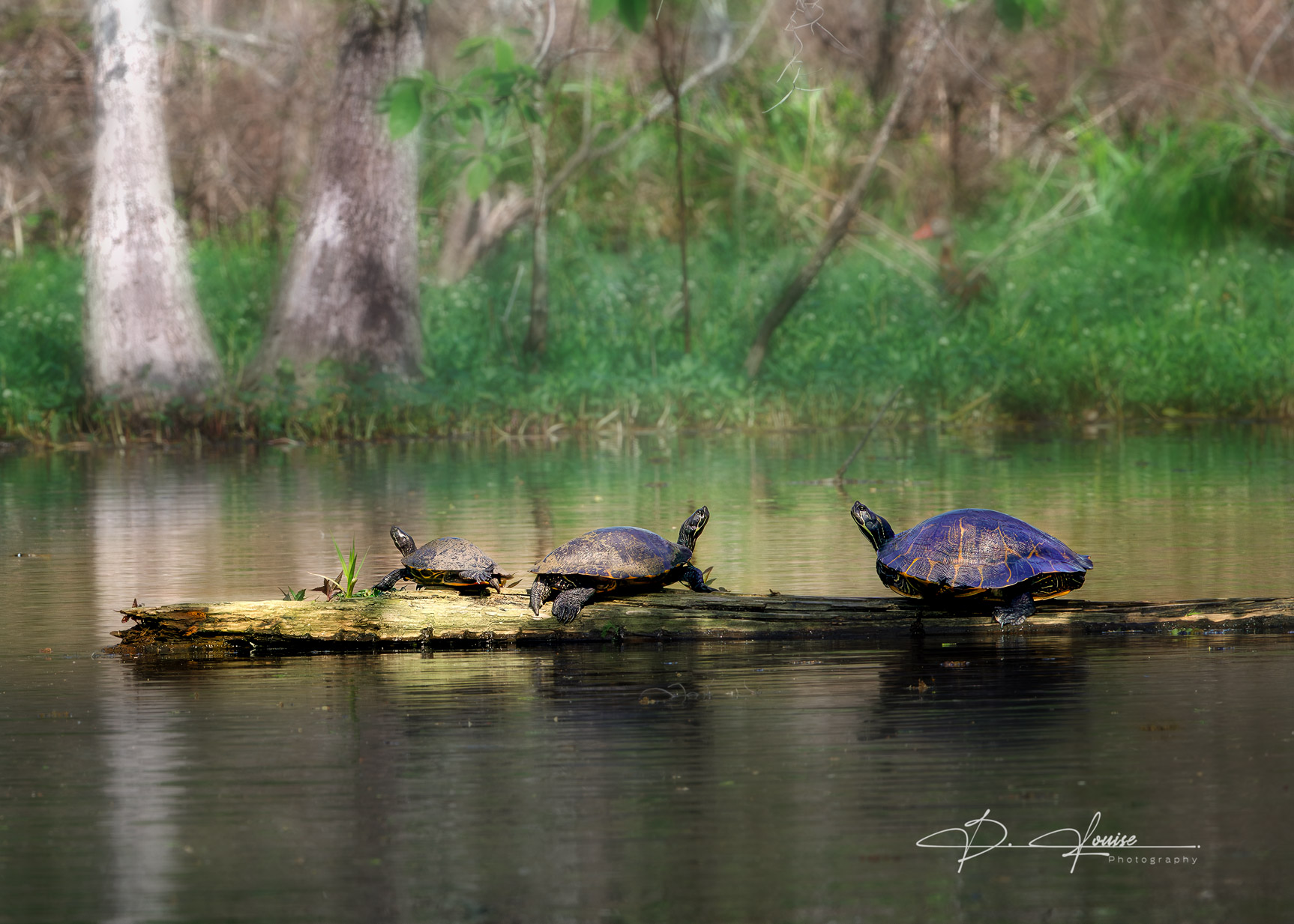
Photo © copyright by Darlene Sours.
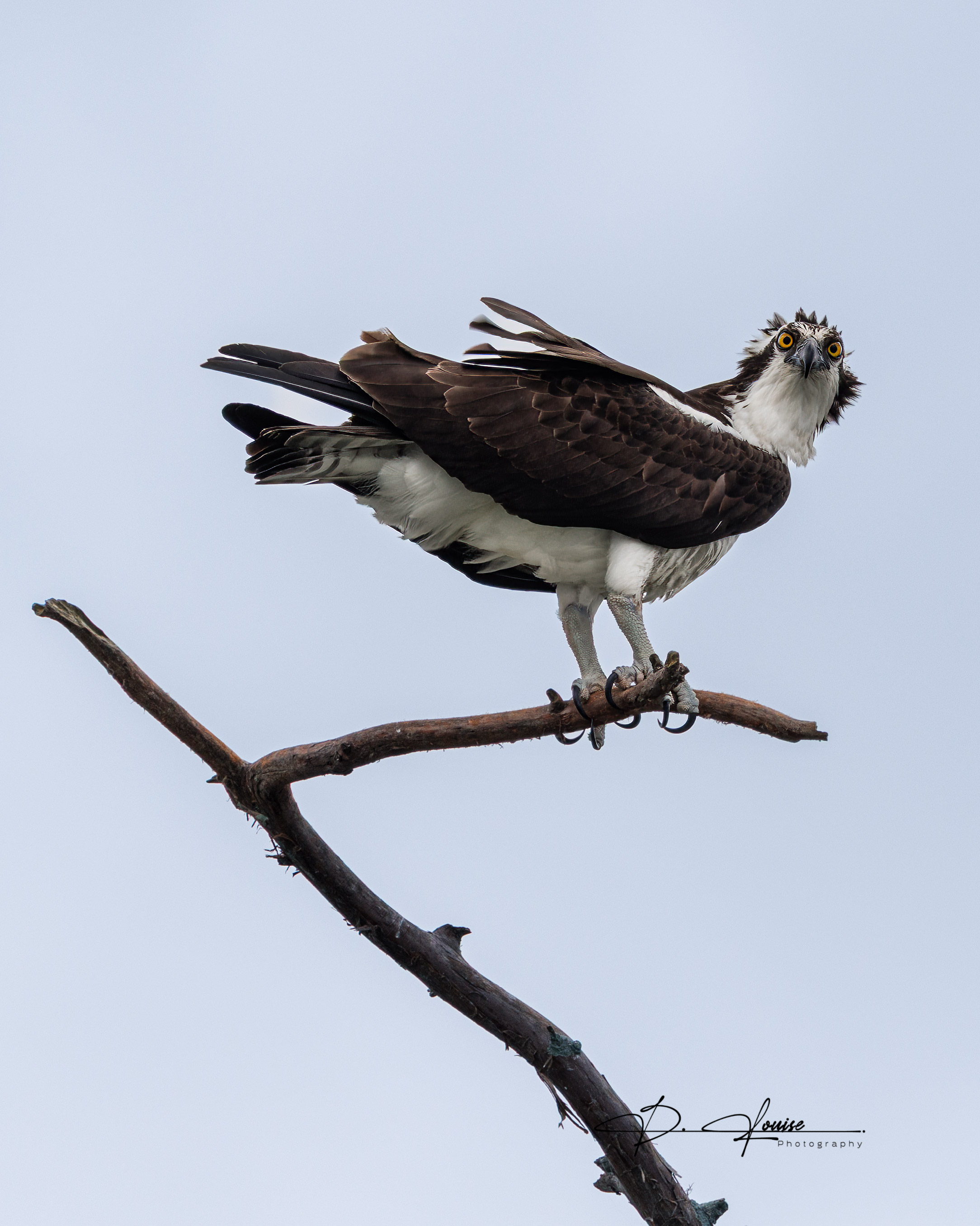
Photo © copyright by Darlene Sours.
A hearty breeze chopped up the surface of the lake, sending the long moss streaming sideways. As we pushed deeper into the lake, each little pocket of the bayou revealed its personality. Great Blue Herons hunted for orb weavers with slow determination, seemingly unbothered by our presence. Overhead, nesting osprey circled with curious eyes.
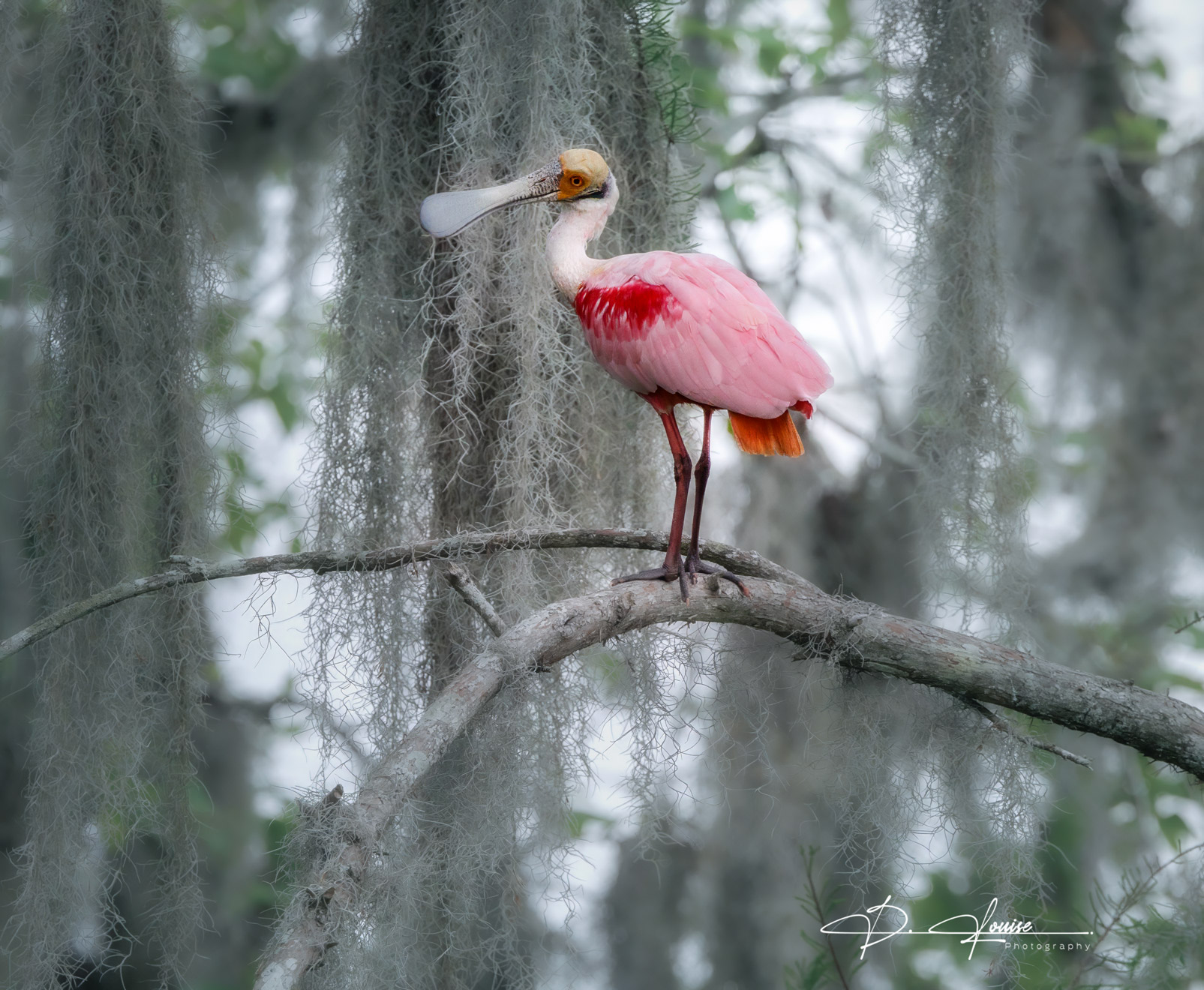
Photo © copyright by Darlene Sours.
As the late afternoon settled in, we came upon the rookery—alive with movement and sound. Egrets, Roseate Spoonbills, Snowy Egrets, Great Blue Herons, and Anhingas shared a space and fluffed their feathers as they settled in for the night to come. The air was thick with the chatter of birds returning home. We quieted the boat and let the moment speak for itself. I recorded a few minutes of audio to remember the sound of it all—nature winding down.
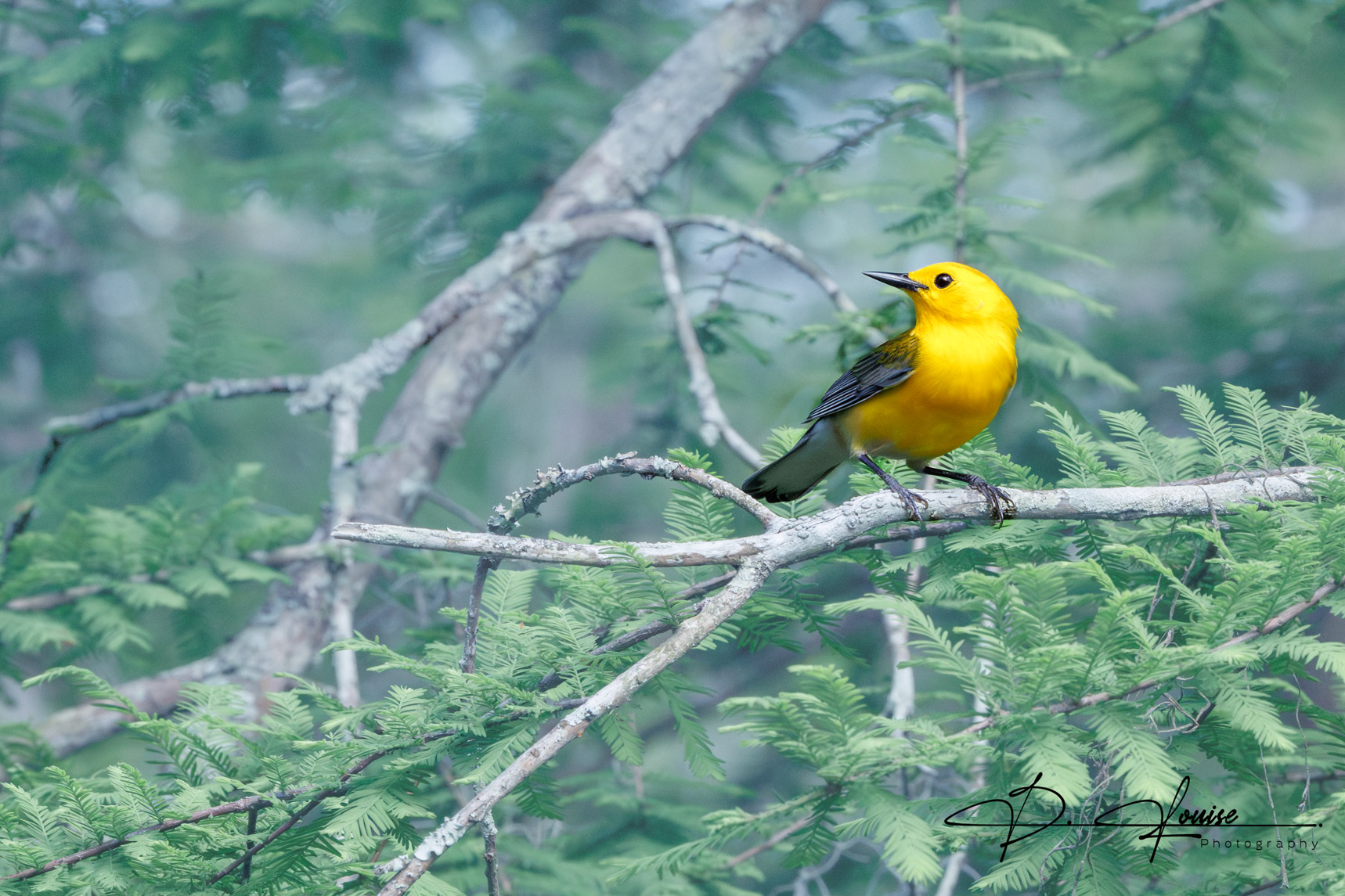
Louisiana Yellow Warbler. I was so happy to get this shot because this little guy/gal was so swift flittering from tree to tree. when he would land, it would be hiding behind the cypress moss or tree limbs. so to get this good of a shot I was shocked. Photo © copyright by Darlene Sours.
Further into the trees, ducks flew through the trees. Along the way, we passed rusted old barrel blinds from hunting seasons, and there were larger huts too, primitively attached to whatever would hold them, becoming one with the swamp.
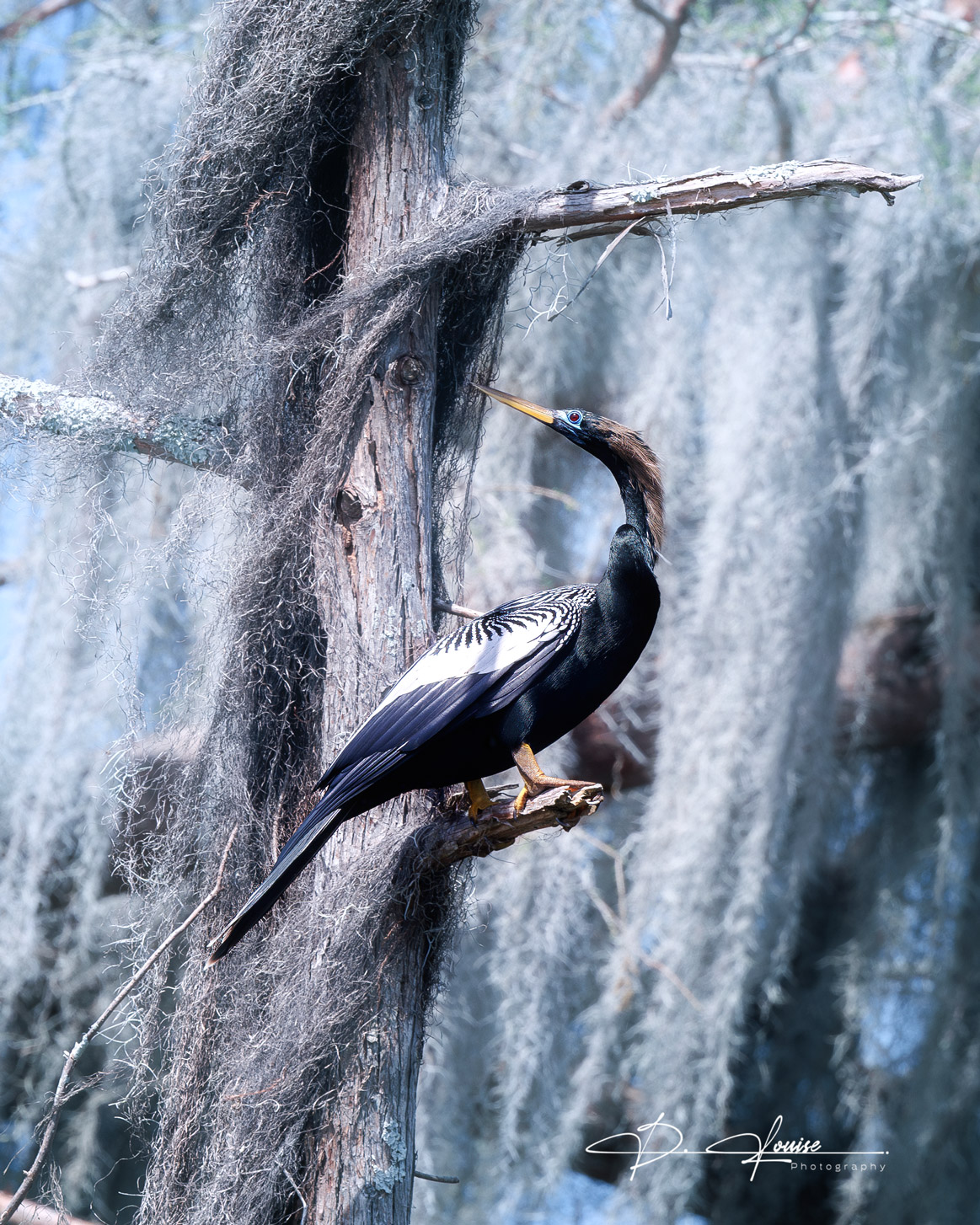
An Anhinga perched in a bald cypress tree on the lookout for the next meal on Lake Martin Louisiana. A very beautiful Male Anhinga is sometimes called a Snake Bird, or Darter or Water Turkey. Photo © copyright by Darlene Sours.
Part of what draws them here is the wild crawfish. This basin holds more crawfish than any other body of water in the world. It’s a buffet for birds, waterfowl, and other swamp inhabitants, supporting more life per acre than any other wetland on Earth.
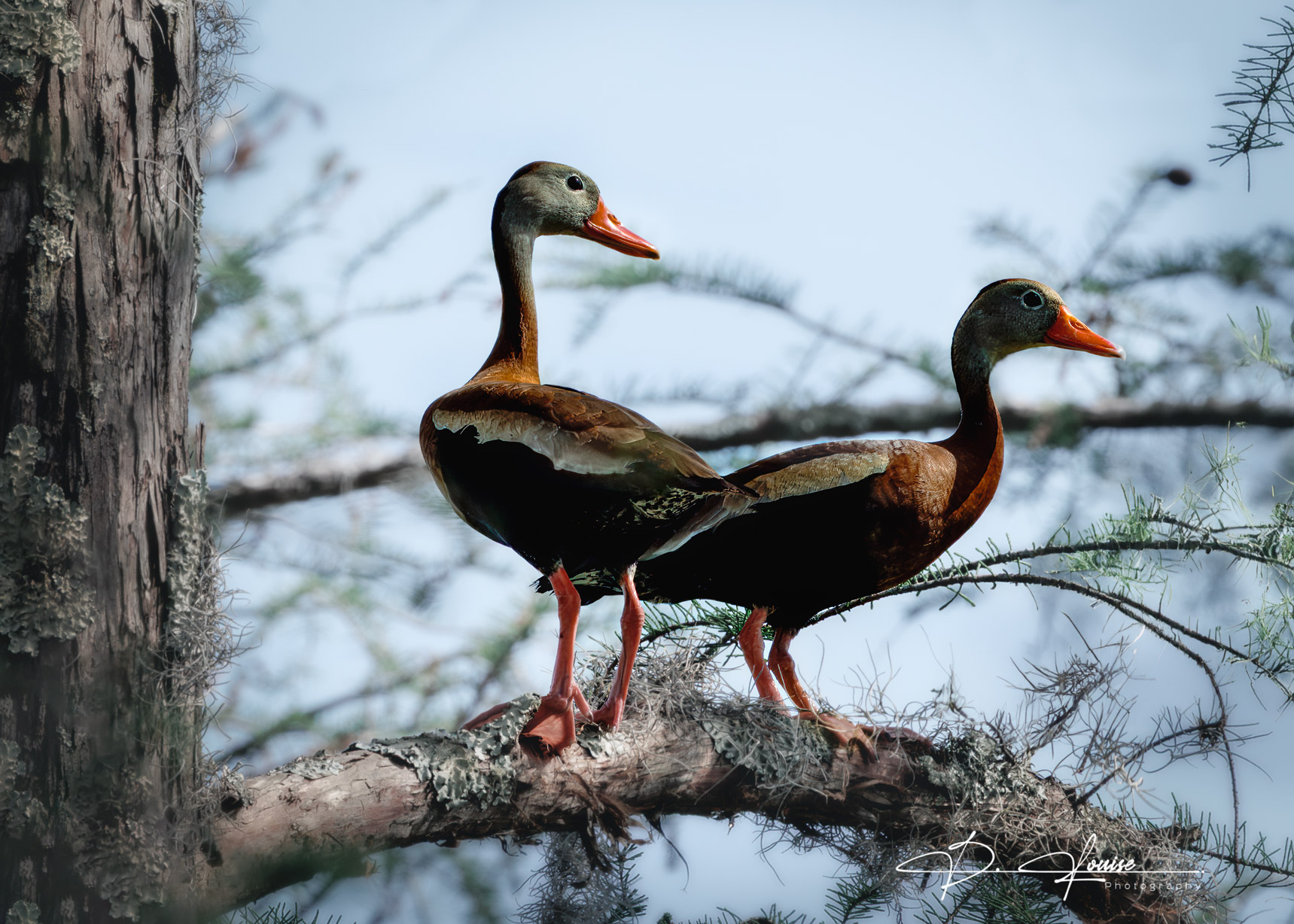
Photo © copyright by Darlene Sours.
But the Atchafalaya Basin is more than just a beautiful swamp—it’s a vital resting ground along the Mississippi Flyway, one of the most important bird migration routes in the world. Nearly 60% of all North American migratory birds pass through the Mississippi Valley, from as far away as Brazil and other parts of South America and the Basin plays a key role in that journey.
Your senses sharpen here. Every sound sparks curiosity, and every movement begs to be photographed. There’s a clarity in this natural surrounding that’s hard to explain—you become aware. And with that awareness comes the humble feeling of understanding how you fit into this natural world.
I felt small in the best way. Grounded and grateful to have this experience. This ecosystem exists entirely without me, and yet, I’m part of what threatens it and its fragile balance. I can’t help but feel the weight of my presence. A reminder that time will pass with or without us. That we’re only temporary guests in a place that’s been evolving long before we arrived—and will continue to change long after we’re gone.