
Slow River: A Photographic Journey on the Atchafalaya River Basin
In October 2024, I took my first trip to the south Louisiana area for some swamp photography. I spent some time researching locations where I could capture images of moss draping from the trees, dense foliage reflecting on the water, and perhaps a bird or two. I found Ronnie Briscoe, owner at River of Swamp tour and a knowledgeable local river guide who offered an experience unlike what typical tour boats provide, along with insights into what makes up the river delta where the Atchafalaya and the Gulf of Mexico merge.
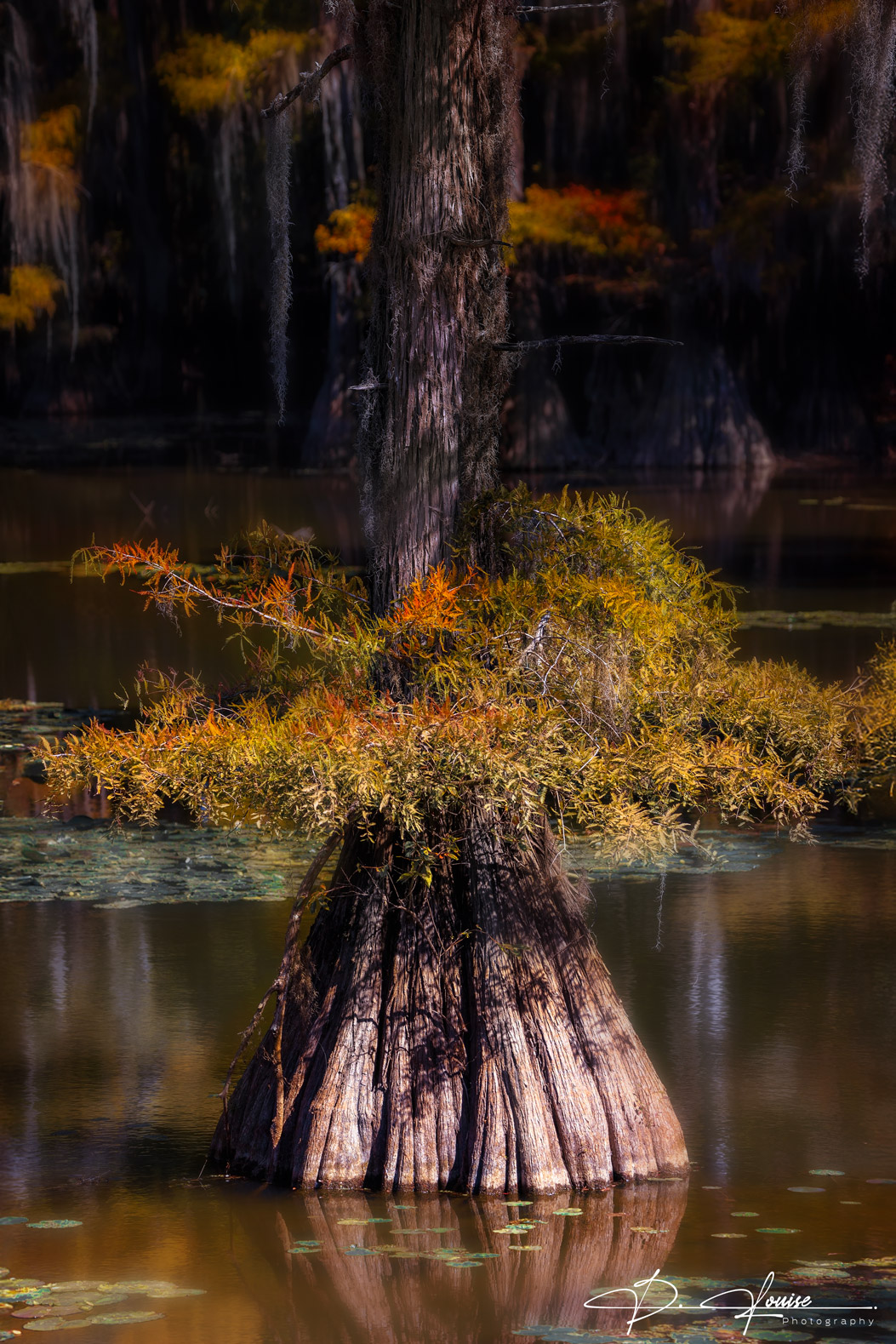
Photo © copyright by Darlene Sours.
I found one of the most diverse ecosystems, teeming with wildlife and plant life. Its history is deeply rooted, just like the bald cypress trees, which highlight the beauty of the area. What surprised me most was my intense and profound connection to the landscape, prompting me to return once again within six months.
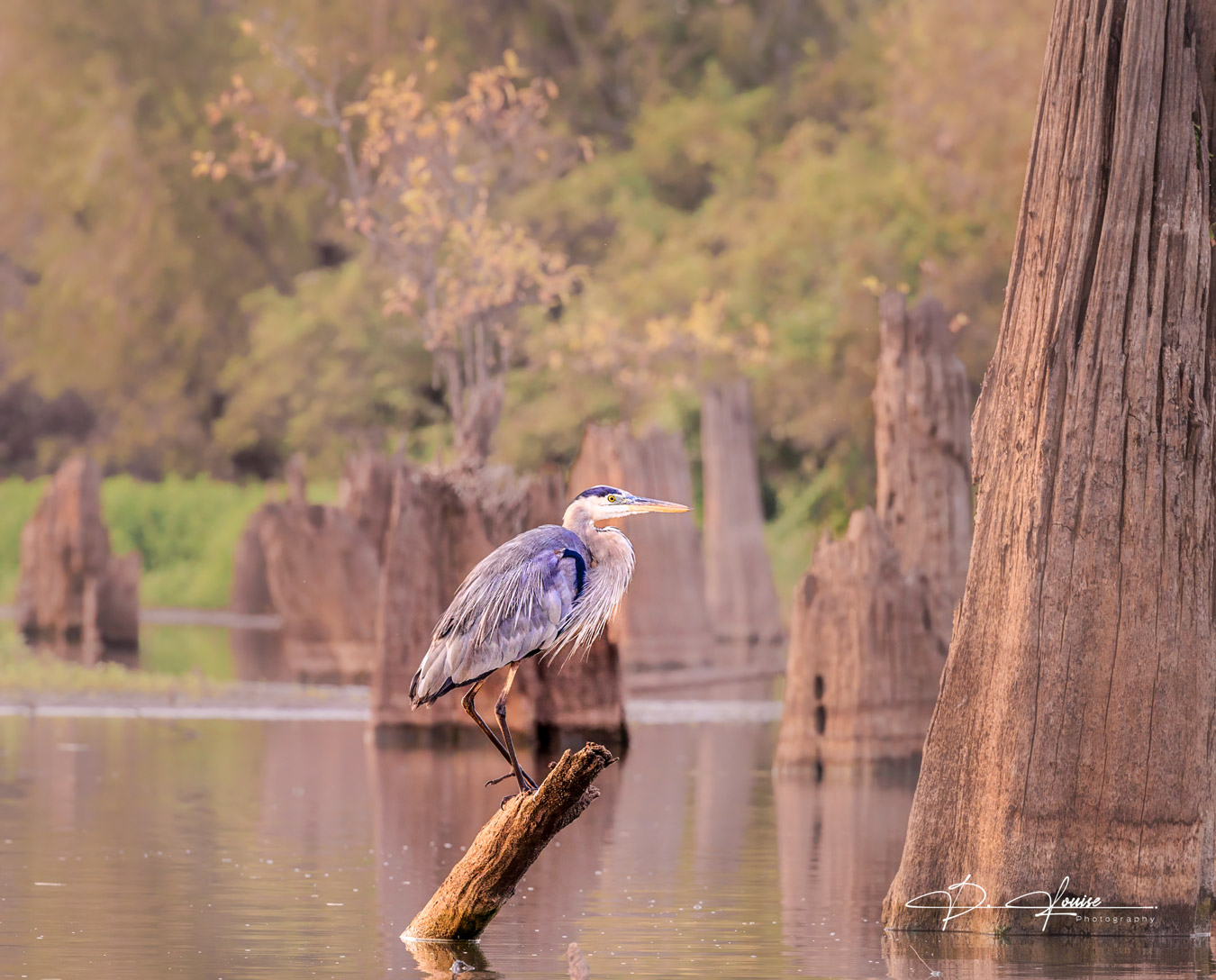
Photo © copyright by Darlene Sours.
The Atchafalaya River Basin is the largest wetland and swamp area in the United States, spanning approximately one million acres. This vast landscape is a unique blend of bayous, swamps, marshes, and river deltas. Exploring its deep cultural and economic roots is as fascinating as it is complex—a tapestry of traditions, industries, ecosystems, and histories that weave together to form this living river puzzle.
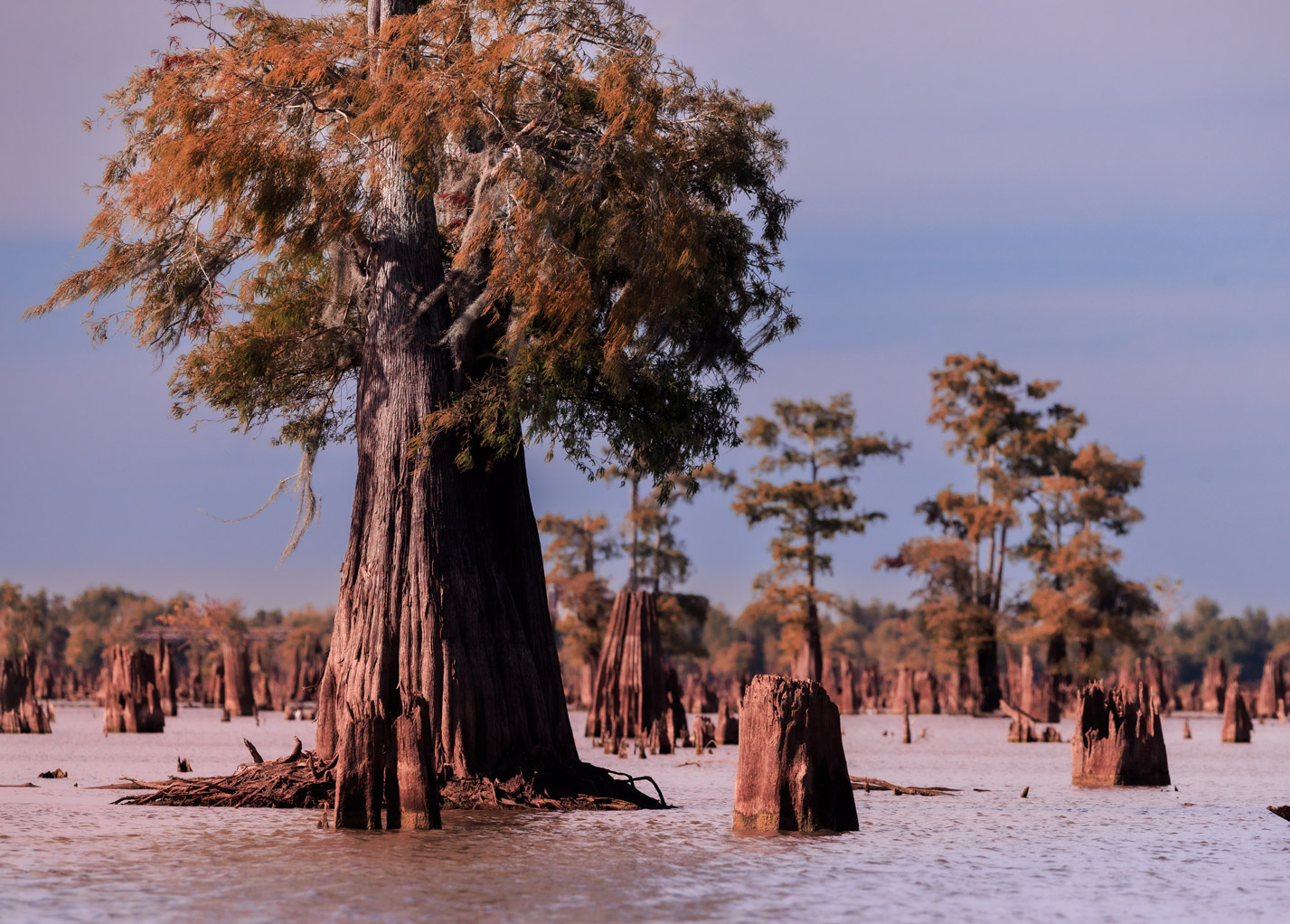
Photo © copyright by Darlene Sours.
The Cypress tree is a remarkable species. Its heartwood contains natural oils and resins that make it highly resistant to rot, termites, and other insects—ideal for use in everything from shingles to railroad ties. Its knobby root structures, known as “knees,” rise above the waterline, anchoring the tree against floods, storms, and erosion. These trees were designed to endure.
But they could not endure us.
Between 1880 and 1930, during a period of intense industrial expansion, the cypress forests were rapidly logged. In just 50 years, centuries-old trees were felled for fencing, furniture, and infrastructure. A resource once considered endless had lost approximately 1.6 million acres from the river in half a lifetime.
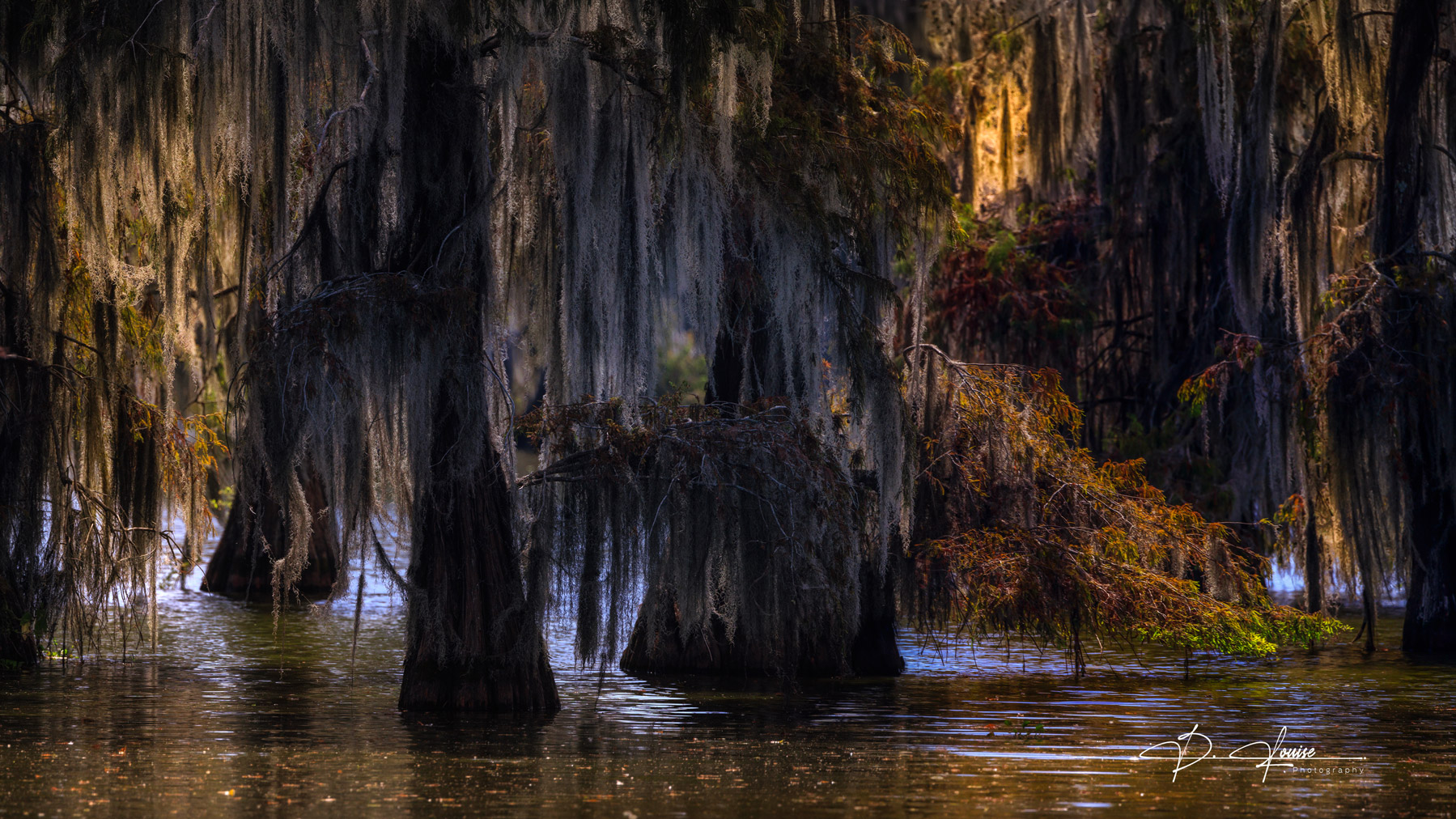
Photo © copyright by Darlene Sours.
The Silent Forest: Lessons from the Bald Cypress of Louisiana
As Louisiana’s official state tree, The Bald Cypress once towered across the Atchafalaya Basin in majestic groves. These ancient trees, standing sentinel in the swamps, were breathtaking in size and stature and a vital part of the region’s natural resilience. Today, what remains are sawed off stumps, poking through the water, and the faint echo of what was once the largest old-growth cypress forest in the world.
My recent journey through the Atchafalaya Basin and it's Bayous, left a deep impression. Ronnie has spent his life exploring these waters, and the sadness in his voice is clear when he speaks of the lost forest that once was. He imagines those towering giants, long gone, and you can feel the wound that still lingers in this landscape.
This place holds beauty—both in what nature has created and in the haunting absence left behind by man. The stumps, like gravestones, stand as a quiet warning. They remind us that even the most resilient gifts of nature are not immune to human ambition.
How does one witness such greatness in nature, only to destroy it?
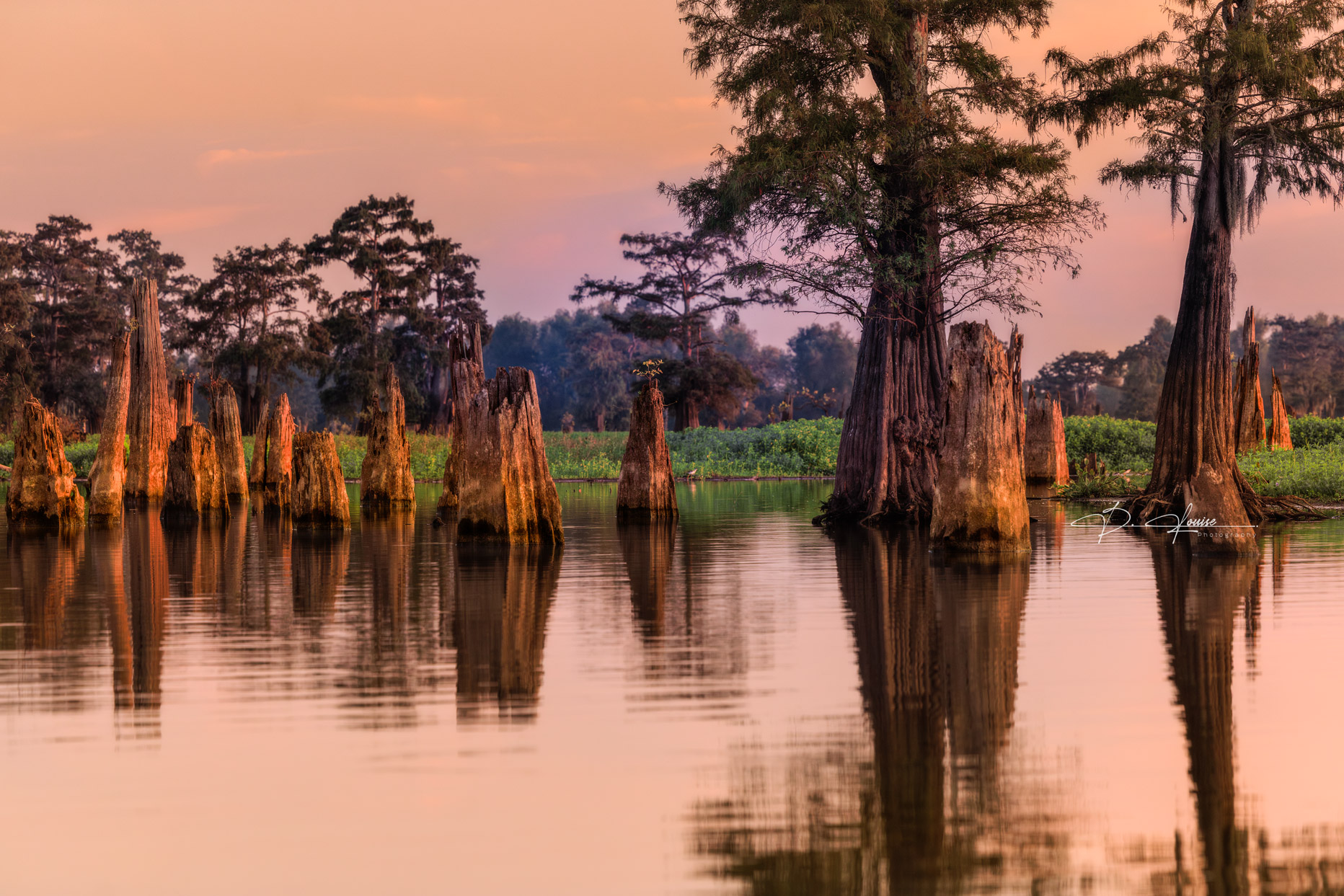
Photo © copyright by Darlene Sours.
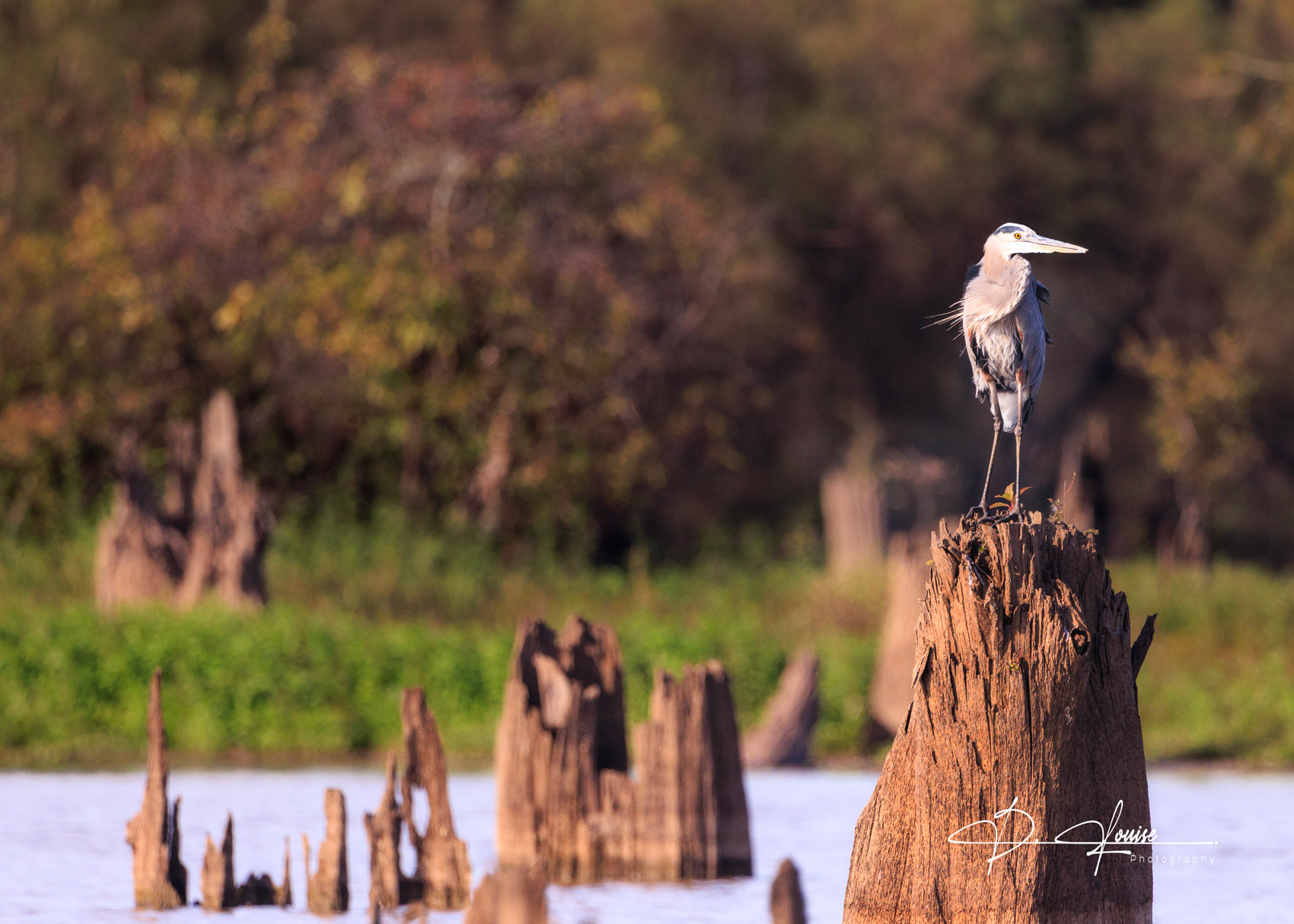
Photo © copyright by Darlene Sours.
Photo © copyright by Darlene Sours.
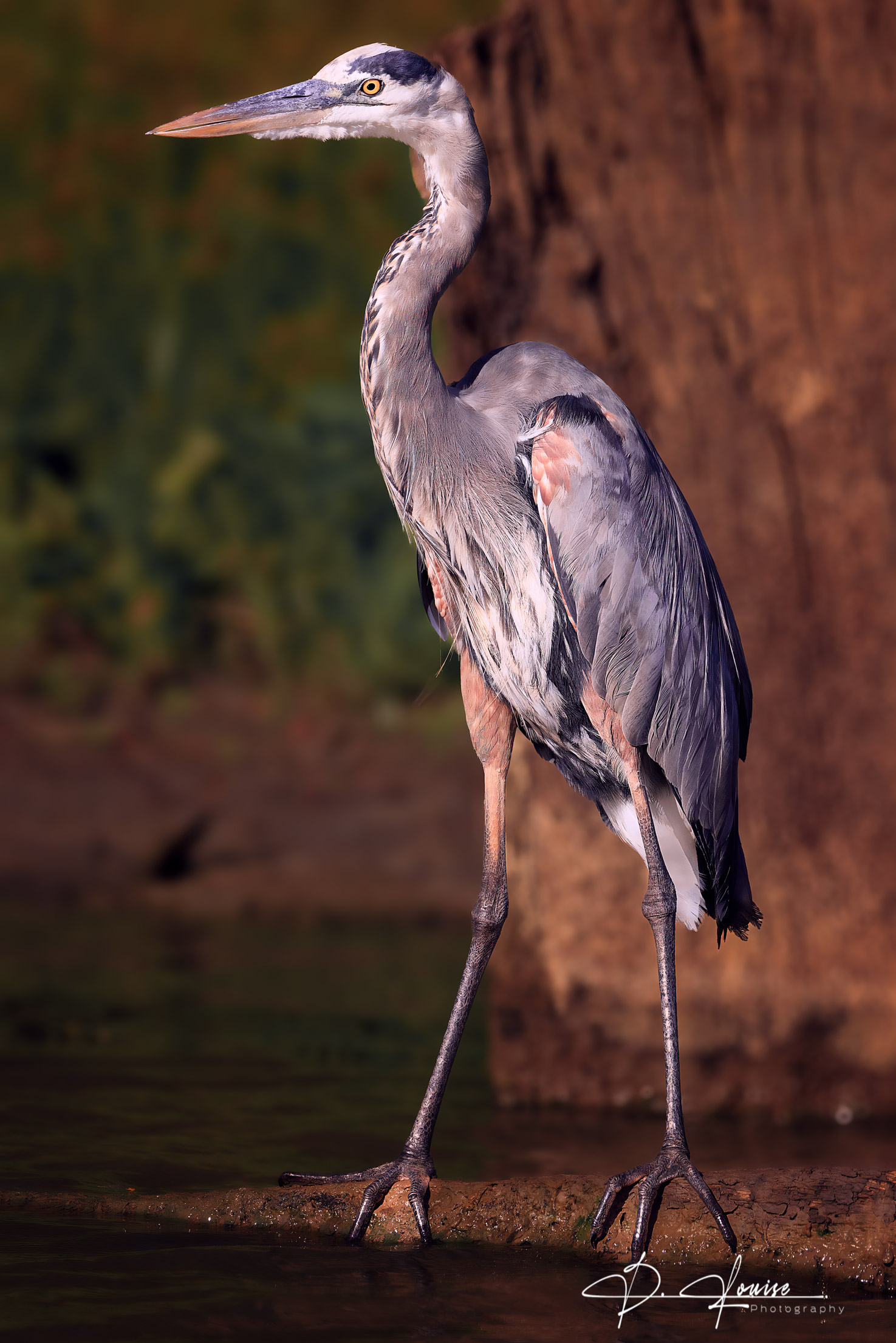
Great Blue Heron standing and posing catching the warmth of the late afternoon sun in the Atchafalaya Swamp, Louisiana. Photo © copyright by Darlene Sours.
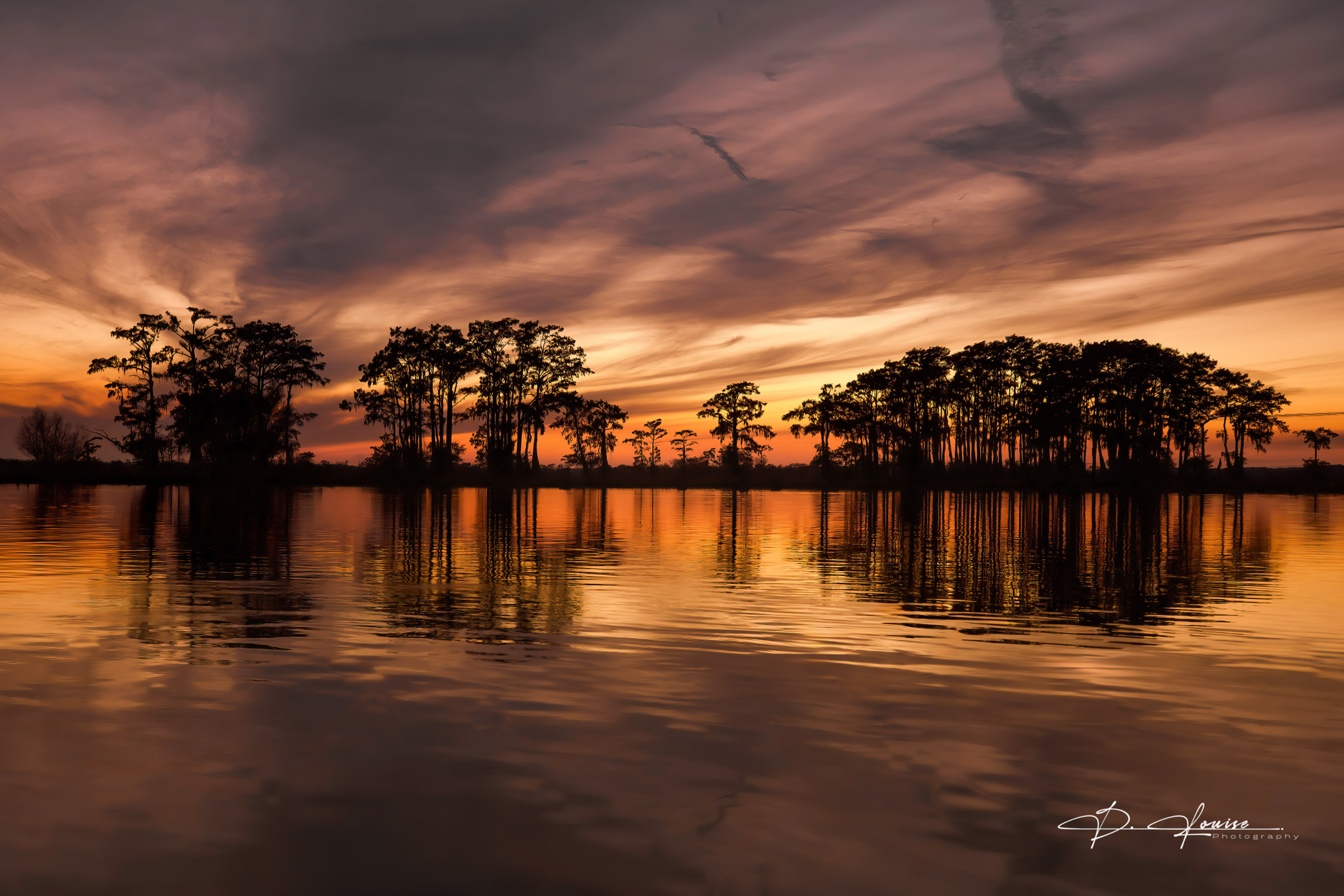
Evening closes in with a dazzling orange sunset on the Atchafalaya River. Photo © copyright by Darlene Sours.
As the sun begins to set, the basin transforms. The sky glows in deepening shades of orange and red, casting its light across bald cypress trees. Silvery-gray Spanish moss hangs from the branches, mingling with the fading greens of summer. October is a special time here; wildlife stirs more freely. With water levels lower, the land reveals itself again, creating new habitat for nearly 400 bird species that call this place home. If you're lucky, you might even spot deer darting through the marshes.
And then, the sunset. Unbelievable. The horizon becomes a silhouette of trees and still waters as the sun offers one final, breathtaking performance. As we rounded the bend, I recognized the familiar stumps from earlier in the journey—quiet reminders of the day’s passage and nature’s enduring rhythm.
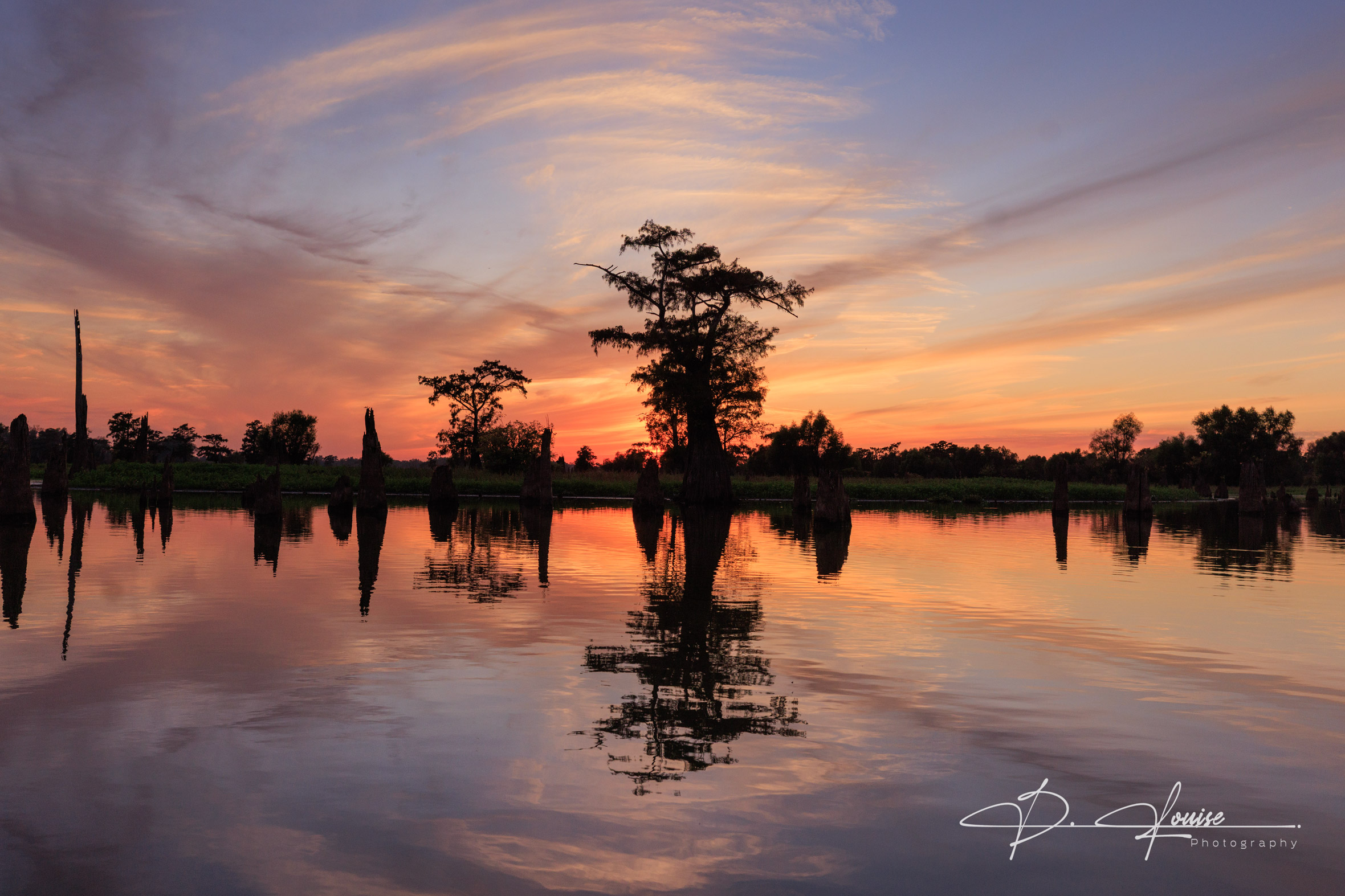
Photo © copyright by Darlene Sours.
If you’d like to explore more about the history of the Bald Cypress and the Atchafalaya Basin then go to Atchafalaya Basin Keeper.
Let the forest speak to you, even in its silence.